
The autumn colours of Lessinia and Verona are dominated by ammonite red
A stroll past the Bolca fossils amongst chamois, deer and the howls of wolves

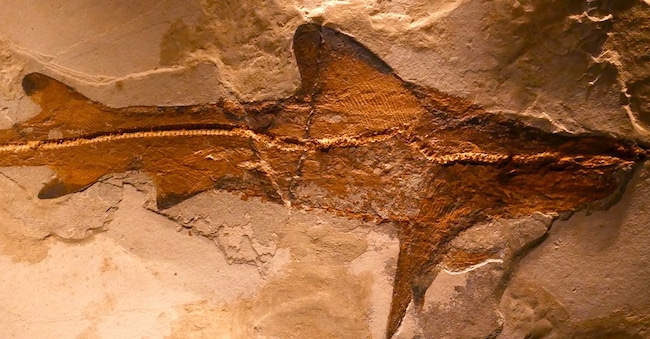
The tangible evidence that Lessinia was once a sea and a volcanic landscape can be marvelled at in the village of Bolca. In the heart of the area, on the slopes of Mount Postale, Purga and Spilecco, and above all in Pesciara, indisputable and, above all, aesthetically stunning fossilised remains have been discovered, bearing witness to a geological past dating back – at least as far as the 252 exhibits on display are concerned – to the Cenozoic era, some forty million years ago. Whilst we await UNESCO’s decision – following the visit of its inspectors – on whether to include Bolca, as is likely, on its World Heritage List under the designation ‘marine fauna and rocks’, one can relive the natural and human adventure that led to their discovery right within the Lessinia Regional Nature Park. It was, in fact, people – in Bolca’s case, the Cerrato family – who believed deeply in the documentary value of this limestone encyclopaedia, comprising actual palm trees, coconuts, angelfish, jellyfish, crocodiles, seaweed, insects, anglerfish, squid and even sharks – which have been enclosed and preserved within these rock-folds for millions of years, thanks in part to volcanic activity. Then the inhabitants of Bolca, as well as mining lignite and coal, brought these treasures to light. Next to the public museum is the private museum of the Cerato family, who have been caring for the fossils for eight generations; they own and manage the ‘Pesciara’, where educational activities take place and visitors are offered the chance to explore the caves where the research and discovery of these ‘archaeological treasure chests’ took place. You can have lunch there, go for walks in the woods and, above all, learn from the guides how the process of identifying, cutting and drying pike, pufferfish, dragonflies, scorpions and mantis shrimp over a six-month period was carried out. The Cerato family began this work as fossil divining experts a full six centuries ago. Sometimes, whilst walking along the edges of the Pesciara, chamois and deer may appear; you may hear the howling of wolves and come across foxes. Real ones, not fossilised ones.

