
A weekend in Zagreb: two cities in one, where you can soak up the spirit of Croatia
The lower town, the late 19th-century buildings and the green horseshoe

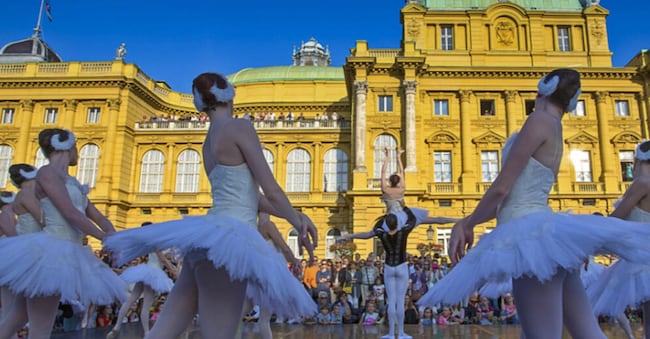
Donji Gradsi, too – built largely after the great earthquake of 1880 – is well suited to a walking tour, taking in the building sites left open following the 2020 earthquake (several buildings listed as cultural heritage sites are still undergoing restoration) and following the squares that make up the so-called ‘green horseshoe’. The name describes the sequence of gardens and tree-lined spaces designed in the 19th century to create English-style parks in the heart of the city. Wandering through the lower town, you’ll come across the avenues and flowerbeds of Zrinjevac, the large square where the music pavilion stands; from here, continue on to King Tomislav Square and the Botanical Garden, founded in 1889 and a peaceful spot to relax between visits. In the same area is the Croatian National Theatre, recognisable by its yellow colour and neo-Baroque façade: opened in 1895 in the presence of the Austrian Emperor Franz Joseph, it remains a sought-after venue for opera, ballet and drama performances to this day. Two other noteworthy late 19th-century buildings are the State Archives, which houses the most important documents in Croatian history, and the University of Zagreb. Most of the palaces in the lower town, which once belonged to noble families and are now used as offices and flats, feature Baroque, Renaissance and Gothic architectural elements. Finally, there is an interesting anecdote concerning the railway station: the second route of the famous Orient Express actually passed through Zagreb, and the Hotel Esplanade, which is still in operation today, was built (in 1925) in the Art Deco style to accommodate passengers travelling on that train.

