
Travel destinations and trends for 2026
Montenegro, a mosaic of landscapes and cultures

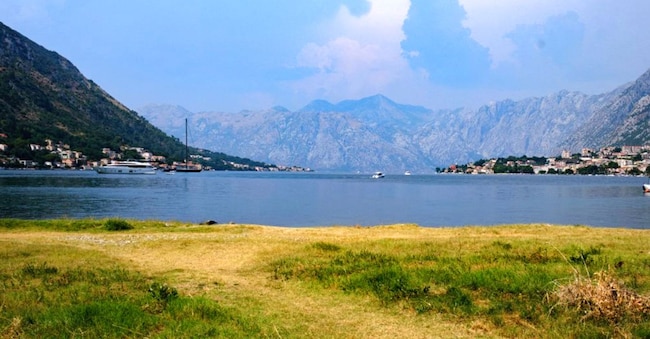
Montenegro is a country small in size but immense in the variety of its contrasts, a place where compact geography becomes an added value: within a radius of a few kilometres, one goes from the deep blue of the Adriatic to mountains touching 2,500 metres, from walled cities to expanses of water that are home to surprising biodiversity. The Bay of Kotor, a Unesco World Heritage Site and a true jewel of the Mediterranean, opens up like one of Europe's most picturesque fjords, framed by high mountains that seem to embrace the sea. Within its inlets, Kotor guards one of the best-preserved medieval historical centres in the region, made up of cobbled alleys, Baroque palaces and ancient churches that bear witness to the Venetian past. All around, small villages such as Perast provide a suspended atmosphere, enriched by maritime legends and the extraordinary ritual of the Fašinada, a tradition that every year renews the community's bond with the sea.
A little further south, the coastline comes alive with the vitality of Budva, where the old town, enclosed by Venetian walls, faces directly onto the Adriatic Sea. Its cobbled streets lead to cosy squares, churches and museums recounting centuries of history, while just outside the walls the city reveals its more modern face, with a lively coastline, cultural festivals and nightlife that have made it one of the most dynamic destinations on the Balkan coast. Moving away from the coast, Montenegro reveals a more intimate and authentic soul with Lake Skadar, the largest lake in the Balkans and one of Europe's most important nature sanctuaries. Protected as a National Park, the lake is a haven for over 280 species of birds, including the rare curly pelican, and a paradise for birdwatchers. Its waters are dotted with medieval monasteries emerging on islets, while along the shores are fishing villages that still live by ancient traditions, offering visitors the chance to immerse themselves in slow tourism, made up of slow rhythms, genuine flavours and authentic encounters with local communities. Here you can savour typical freshwater fish dishes and indigenous wines, or explore by boat the scenery that changes colour with the seasons, from the bright green of spring to the fiery red of autumn.

