
Travel destinations and trends for 2026
Peru between high plateaus, valleys and wilderness

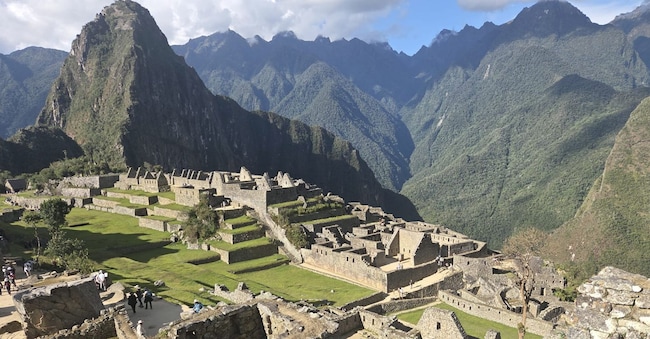
Peru, fresh and green after the rainy season, is the perfect trip for those seeking new emotions. It is the destination of a thousand landscapes, between high plateaus, green valleys and still wild nature where you can discover the ancient Inca culture of a glorious past. Between ancient ruins and modern cities, deep-rooted traditions and gastronomic avant-garde, the South American country races towards the future, carving out space to honour an illustrious past. For travellers, getting around is getting easier: a new airport was recently inaugurated in Lima, but there is also a new airfield near Cuzco, former heart of the Inca empire. Machu Picchu has introduced three circuits, with ten tourist routes, to counteract overtourism. More and more visitors are choosing less-travelled ruins such as Choquequirao or stretches of the Qhapaq Ñan, the Andean stone road system that linked Cuzco to the immense empire. Meanwhile, Peruvian cuisine has enjoyed global fame for years and Lima is increasingly one of the world's great gastronomic capitals. From the coast, we explore Paracas and the Ballestas Islands to observe sea lions, penguins and flamingos up to the mystical Nazca Lines, before reaching Arequipa, dominated by the majestic Misti volcano. The Colca Canyon offers the thrill of condors flying at extreme altitudes, while Lake Titicaca surprises with its communities with a strong identity spirit. Then comes Cusco, vibrant with colour and history, gateway to the imposing Machu Picchu. And then the northern regions, rich in pre-Inca cultures, and the immensity of the Amazon. A magical destination, also made special by the friendliness of the local populations, where you can enjoy authentic experiences and moments that will remain in your heart. In 2026, the South American country will be a candidate as an unmissable destination to discover modern infrastructures, ancient citadels, new protected natural areas and stellar cuisine, including the spicy criolla cuisine of Arequipa, the country's second city, which has grown in fame since becoming a Unesco Creative City for Gastronomy in 2019.

