
All the beauty of Livorno in ten summer adventures
In the Venezia district among calli, stone bridges, merchant palaces
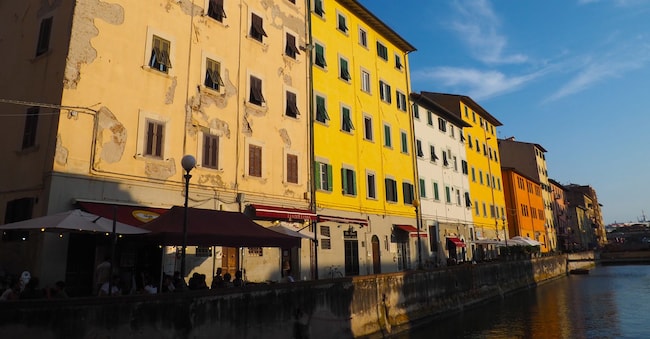
The Medici family hired Venetian craftsmen to build the district behind the Old Fortress, which thus took the name Venice, also by virtue of the pile-dwelling system that was used to erect three-storey palaces containing warehouses to store goods that were transported directly from the port and through canals called Fossi. Piazza del Luogo Pio is the architectural heart of this picturesque area that suffered extensive damage during World War II. Canals, arched bridges really bring to mind the capital of Veneto. If the Church of Santa Caterina represents the artistic marvel of Livorno's Venice thanks to the altarpiece of the Coronation of the Virgin painted by Giorgio Vasari, adjacent to the moving papier-mâché statue of Jesus of the Cane, the Museo della Città set up in the 18th-century former Bottini dell'Olio must be visited to understand Livorno's link with the sea. The palaces on Via Borra, in particular Huigens and Finocchietti testify to the taste of merchants. On the Marble Bridge one can recognise beautiful 19th-century graffiti, while in the evenings one comes here to stroll and dine, for example at the Vecchia Venezia, watching the rowers returning from the exertions of training for the regattas.

